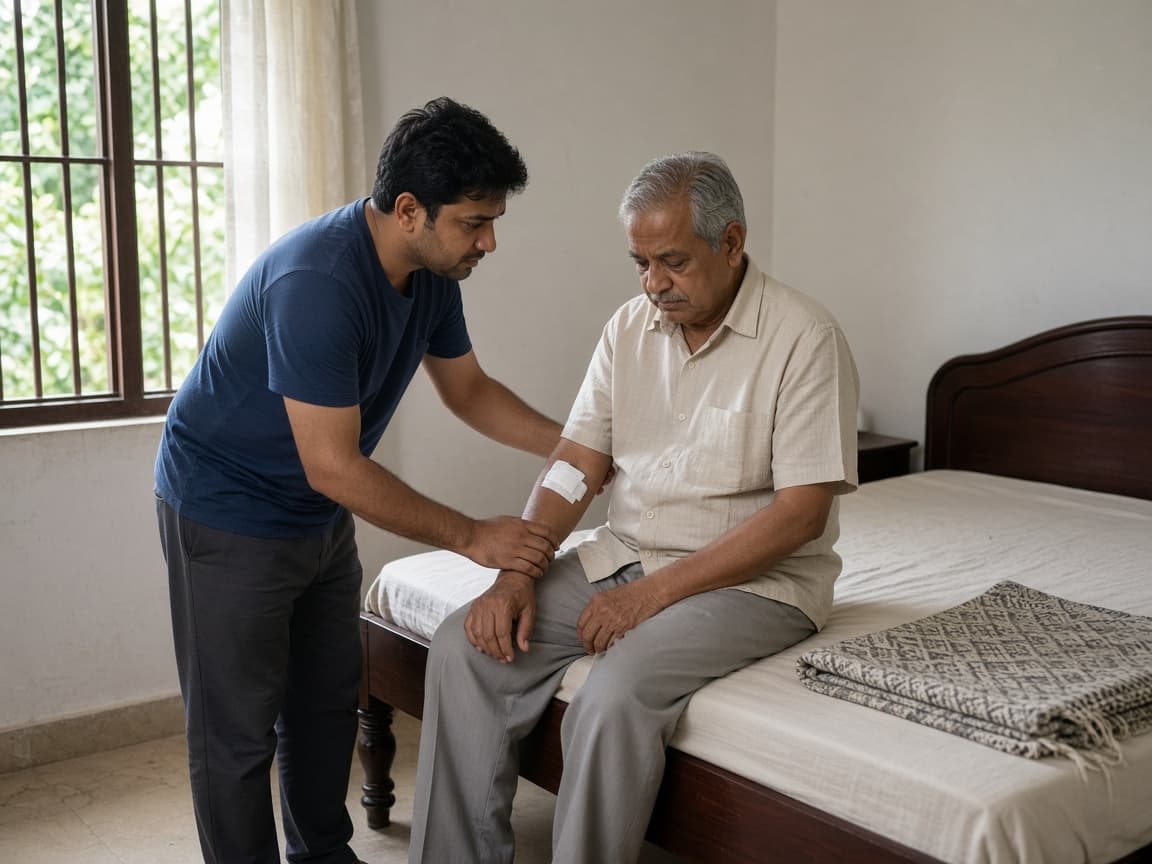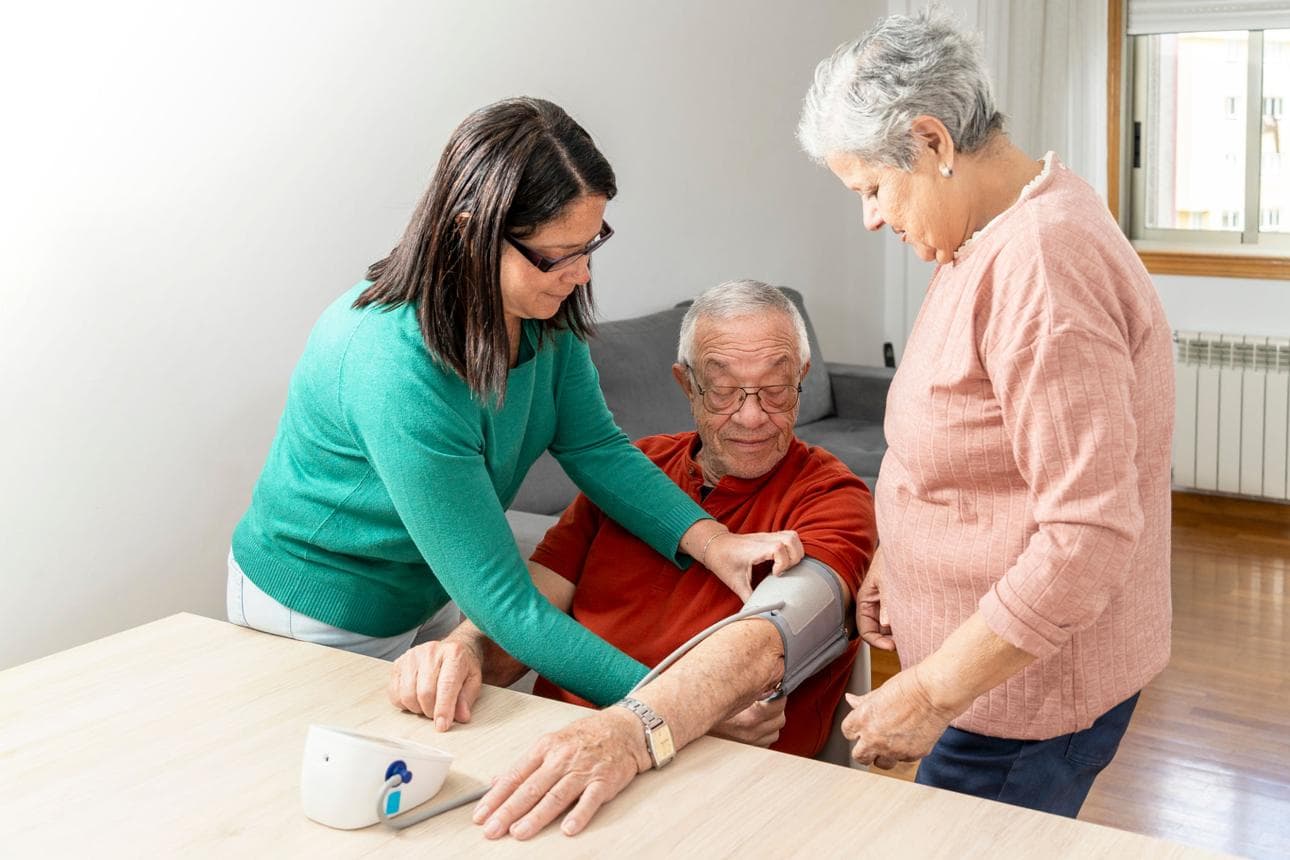
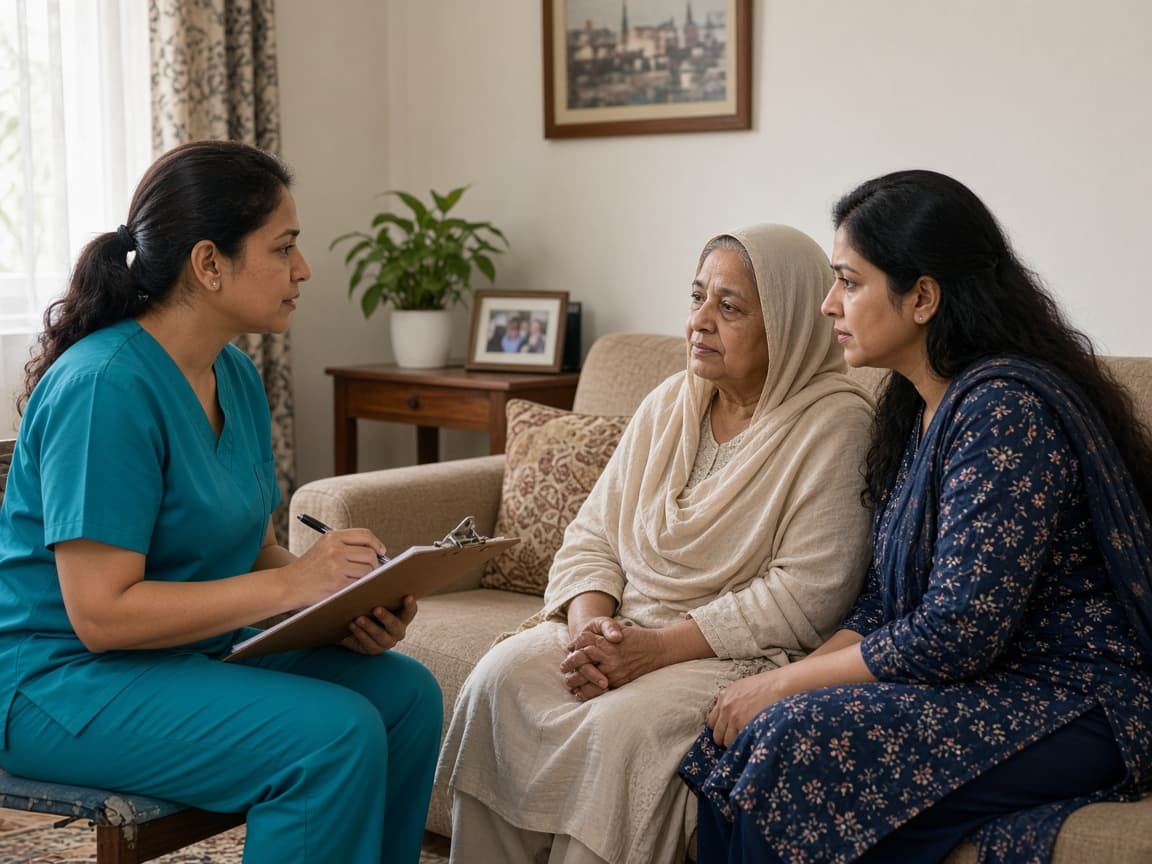
Home nursing means a qualified nurse provides clinical care in the person’s house. It is not the same as a relative helping with meals, washing, and company, and it is not the same as a hospital stay. Families in Nepal often blend all three because relatives live together and formal home-care services are uneven from one district to another.
This article helps you sort the tasks. It does not list agencies, prices, or credentials you should take on trust. Confirm registration and the plan with the nurse and the treating doctor.
What families commonly do
Relatives often help with:
- Meals, drinks, and a comfortable place to sleep.
- Washing the face and body when the person can take part safely.
- Reminding someone to take medicines that are already prescribed and labelled.
- Walking beside the person to the toilet if a clinician has said that is safe.
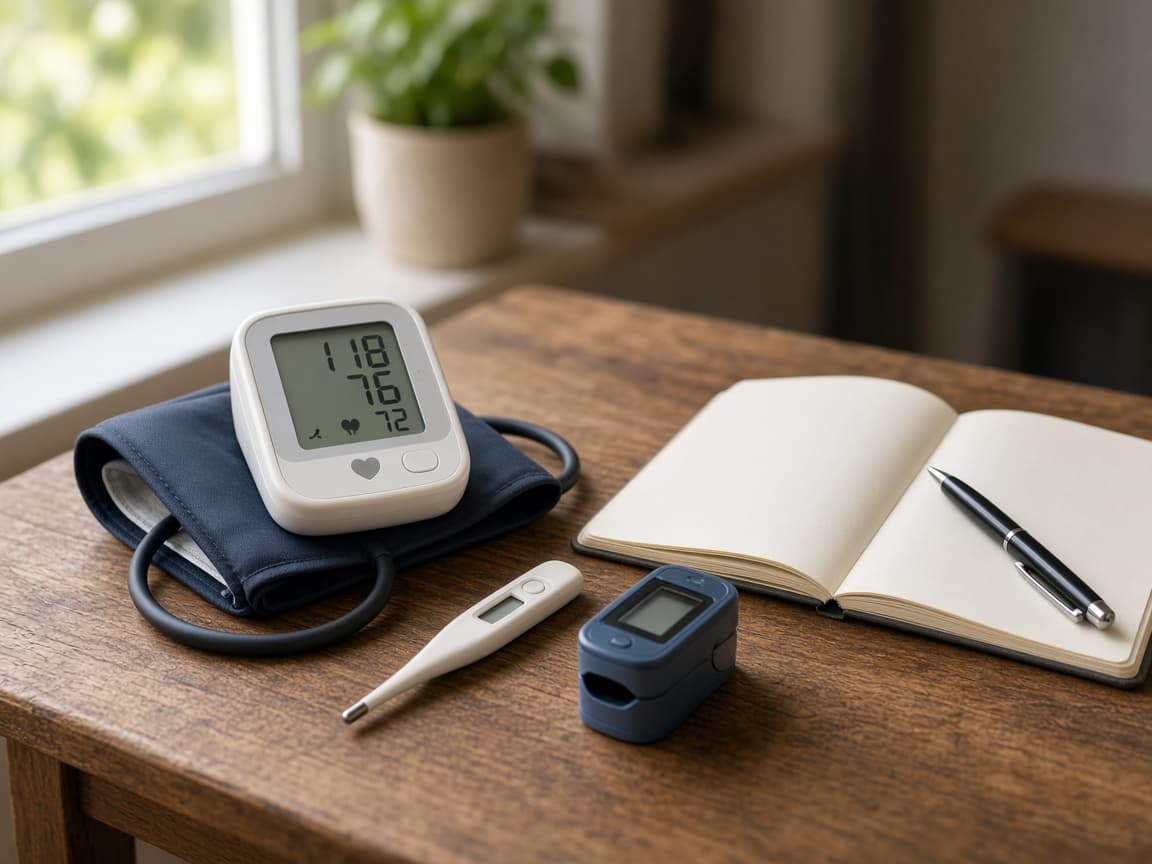
- Writing down blood pressure, temperature, or glucose in the way the clinic requested.
Those tasks still need teaching when the person is weak. Pulling someone up by the arms, or giving food to someone who is drowsy, can cause injury. If you are unsure, ask the discharging nurse to watch you once.
What usually needs a nurse or a doctor
Skilled care includes tasks that need assessment, sterile technique, or a clinical decision. Examples:
- Changing a complex surgical dressing or packing a deep wound.
- Managing a urinary catheter, a feeding tube, or a drain.
- Giving injections or adjusting oxygen.
- Deciding that a new symptom is safe to watch.
A neighbour who has “looked after patients” is not a substitute for a licensed nurse when the task is one of these. The World Health Organization treats clear responsibility and safe procedure as part of patient safety. If the hospital said a nurse should visit, that advice stands even when a relative is willing to try.
Post-surgery care at home separates the family routine from wound decisions. Devices in the house are explained in essential medical tools for Nepali households.
Questions to ask before a nurse visits
- What exactly will you do on this visit, and what should the family do between visits?
- Which doctor is directing the care, and how do we reach them?
- What will you do if the person deteriorates while you are here?
- How should medicines and dressings be stored?
- What belongs in the written record we keep at home?
You do not need to be rude to ask for a name and a way to confirm who employs the nurse. A useful visit ends with you knowing the next danger sign, not only with a completed task.
When home is the wrong place
Home care is a poor fit when the person needs oxygen or monitoring the household cannot provide, when the family cannot stay awake in shifts for someone who is unsafe alone, or when pain, bleeding, or breathing is getting worse. Returning to hospital is a valid decision. It is not a failure of the family.
People with long-term blood pressure or diabetes still need their usual clinic even if a nurse visits for something else. Keep that plan visible. Managing blood pressure and diabetes at home describes the record to take back.
Frequently asked questions
Is a caregiver the same as a nurse?
No. A caregiver may help with daily life. A nurse is trained and accountable for clinical tasks. The words are often used loosely in conversation. Ask which tasks the person is qualified to perform.
Can one nurse cover the whole day?
Only if that is the agreement. Many visits are short and task based. The hours between visits remain the family’s responsibility, with a number to call.
What should we write down?
The date, what was done, new symptoms, and any change in medicine. Keep the discharge summary in the same folder.
Home nursing works when the clinical tasks are named, the family tasks are named, and everyone knows which changes cannot wait until morning.