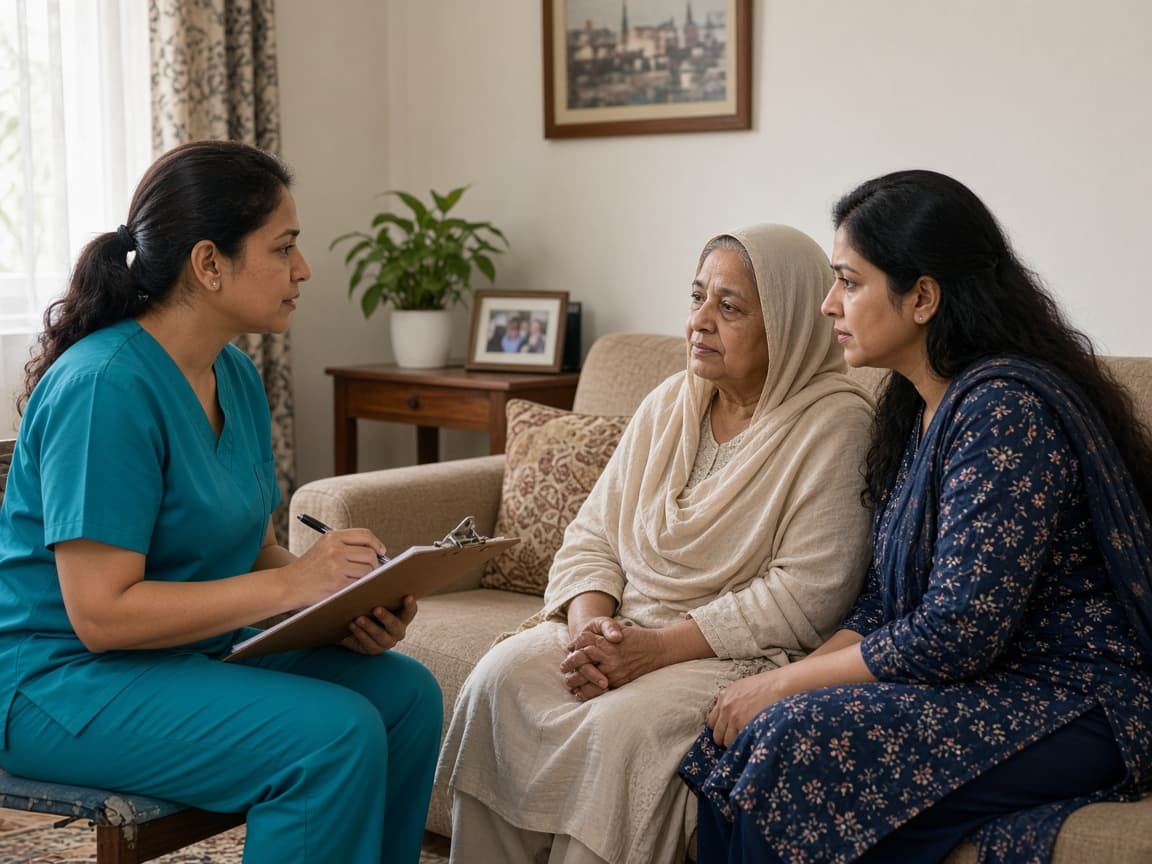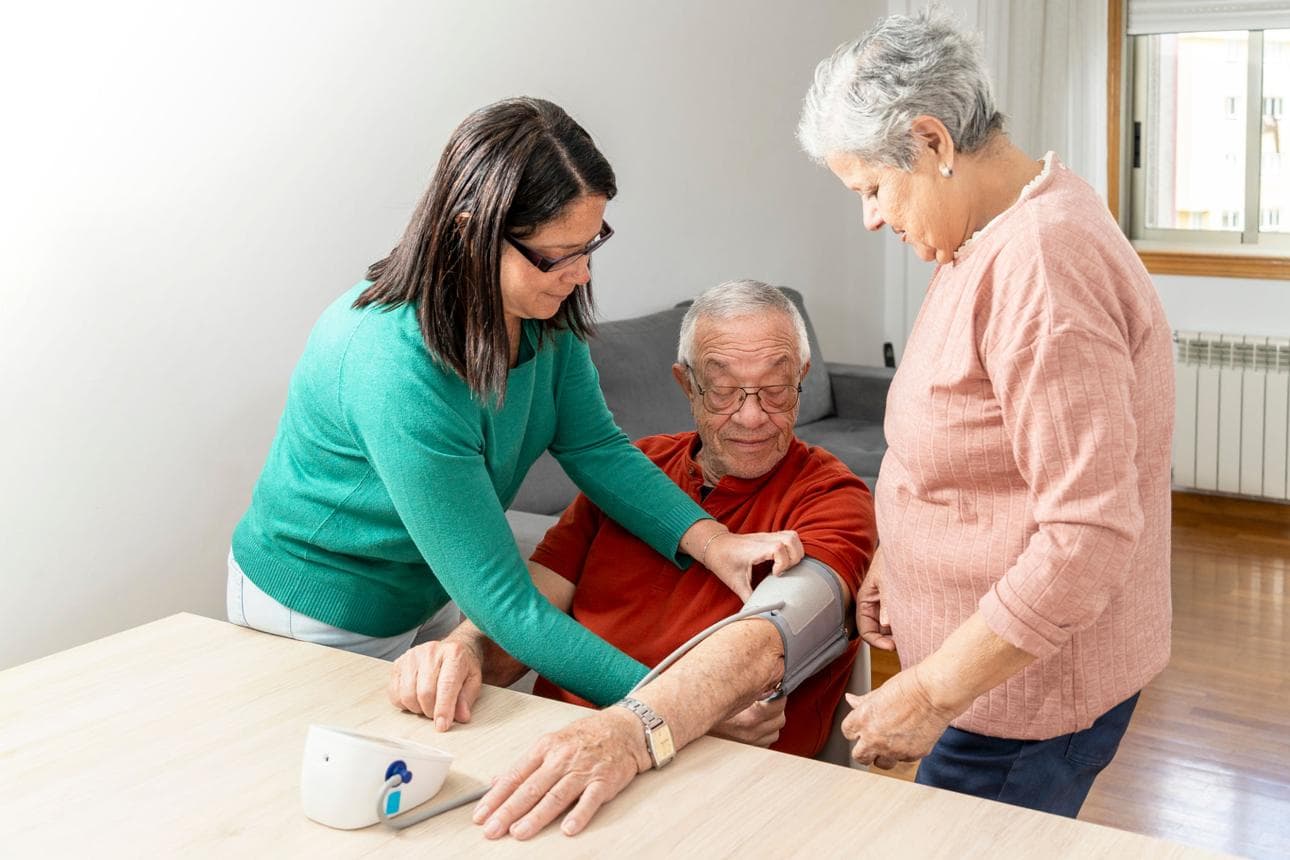
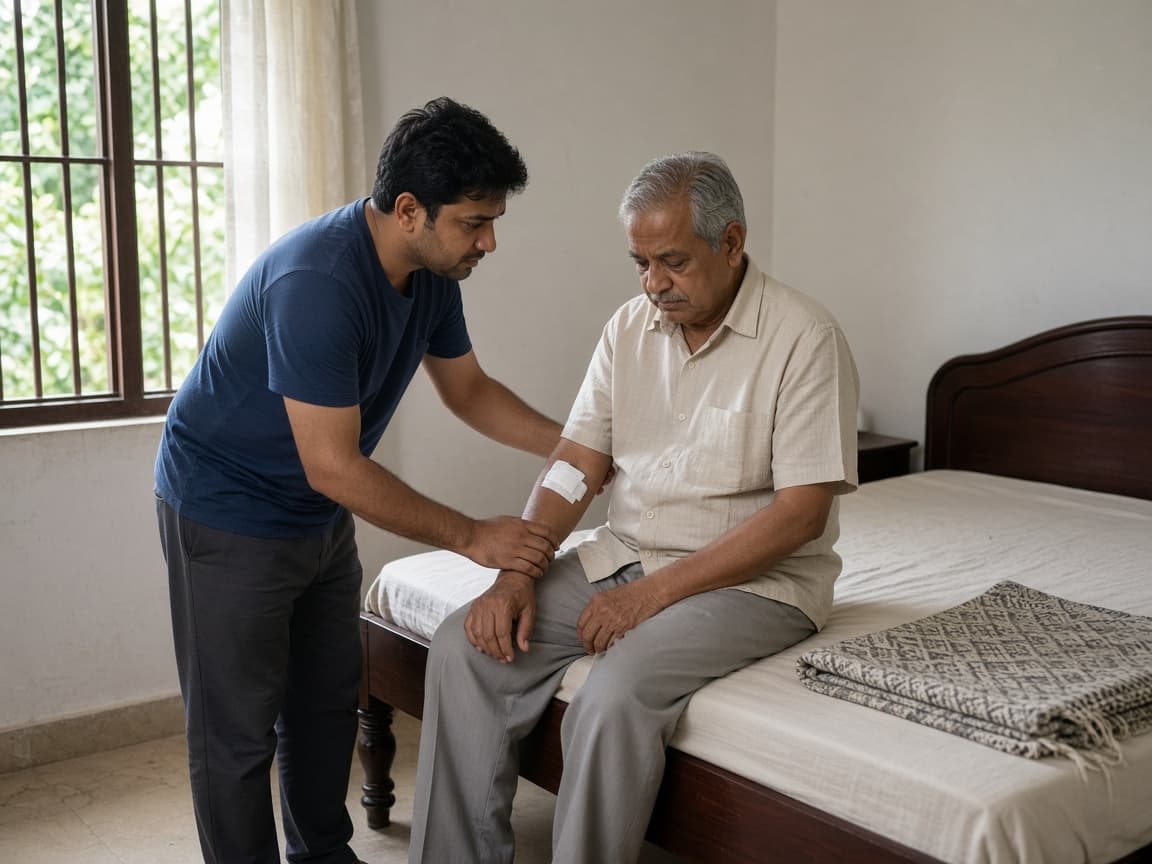
The days after an operation are often spent at home, with a relative doing the work a ward nurse did in hospital. The safe plan is the one written at discharge: which medicines, which dressings, how much walking, and which hospital to call.
This article helps families carry out that plan. It does not replace the surgeon’s instructions, and it has not been clinically reviewed for this site.
Before leaving the hospital
Ask for the discharge note in language you can reread at home. Confirm:
- The name of the operation and the date.
- Medicine names, doses, and when the next dose is due.
- Whether a dressing can be changed at home or must stay closed.
- When the person may shower.
- Which movements are restricted.
- The date of the follow-up visit and a phone number for earlier problems.
If the instructions are only spoken, write them down before you leave the ward. Carry enough prescribed medicine for the journey home, especially if you are travelling outside Kathmandu Valley or Pokhara and pharmacies close early.
The first days at home
Keep the room ventilated and the bed linen clean. The person should wash their hands before eating and after using the toilet. Anyone who helps with the wound washes their hands with soap and water first. The World Health Organization treats clean hands as a basic part of infection prevention. Gloves are an extra layer, not a substitute for washing.
Offer the usual household food unless the discharge note restricts it. Small, regular meals are easier than a large feast on the day of travel. Pain that stops someone eating or drinking needs a call to the surgical team, not only another home remedy.
Prescribed pain relief should be used as written. Do not add a relative’s leftover antibiotic or pain tablet. Antibiotics that were not prescribed for this operation do not “protect” the wound, and they can cause harm.
Watching the wound
A healing incision can look slightly pink and feel tight. Ask the surgical team what they expect to see. Contact them the same day if you notice:
- Redness that is spreading.
- Pus, a foul smell, or bleeding that soaks the dressing.
- The wound edges pulling apart.
- Fever, shaking chills, or the person becoming unusually drowsy.
Do not apply toothpaste, ash, turmeric paste, or an unprescribed powder to a surgical wound. If a clinician has recommended a specific ointment, use only that.
Moving without undoing the repair
Staying in bed for many days raises the chance of chest infection, clots in the leg, and pressure damage to the skin. Walking is often encouraged, but only in the way the surgeon allowed. Hip, abdominal, and chest operations can have different limits on bending, stairs, and lifting.
Until a physiotherapist has assessed the person, do not copy exercises from a video. Basic exercises for elderly mobility explains why a personal assessment matters after surgery. Help the person sit out of bed for meals if that was advised, and keep the heels and lower back from pressing on the mattress for hours.
A swollen, painful calf, especially in one leg, needs urgent medical review. So does sudden chest pain or breathlessness.
Medicines and other conditions
People who already take medicine for blood pressure, diabetes, or blood thinning may have had those medicines changed in hospital. Use the new list, not the old dosette box, until a doctor reconciles them. Managing blood pressure and diabetes at home is about the longer routine, after the surgical team has said those conditions can return to the usual plan.
If home nursing has been recommended for dressings, injections, or a drain, read understanding home nursing before assuming a family member must do skilled tasks alone.
Frequently asked questions
When can the person bathe?
Follow the discharge note. Many wounds must stay dry until a clinician says otherwise. A wipe with soap and water away from the dressing is different from soaking the incision.
Is a little fluid on the dressing normal?
Some operations ooze a small amount. Spreading wetness, blood, or pus is a reason to call the surgical team the same day.
Should we keep the person in bed to protect the stitches?
Only if the surgeon said bed rest. Unnecessary bed rest creates its own risks. Ask what walking is allowed today.
Recovery speed varies. A useful next step is the follow-up appointment, with the discharge note and a list of new symptoms in hand.