Infection in a house travels on hands more often than on a floor that missed today's mop. Someone leaves the toilet, lifts the lid of the rice pot, then adjusts a dressing. The World Health Organization's infection prevention work, and its hand hygiene campaign, keep returning to the same act: clean hands at the moments when germs would otherwise move to a mouth, a wound, or a tube.
Soap and water are the standard. Rub the palms, the backs of the hands, the thumbs, and between the fingers, long enough to cover the skin, then rinse and dry on a clean cloth. A shared damp towel that never dries is a poor finish. Hang it so it can dry, and wash it when it smells or looks soiled.
The moments that matter
In a home, three moments cover most of the risk.
Before food. That includes cooking, serving, and feeding someone else. Wash again if you touched a phone, money, or a door latch in the middle of chopping.
After the toilet, and after helping someone else with the toilet or with a soiled cloth. Wash before you touch the kettle.
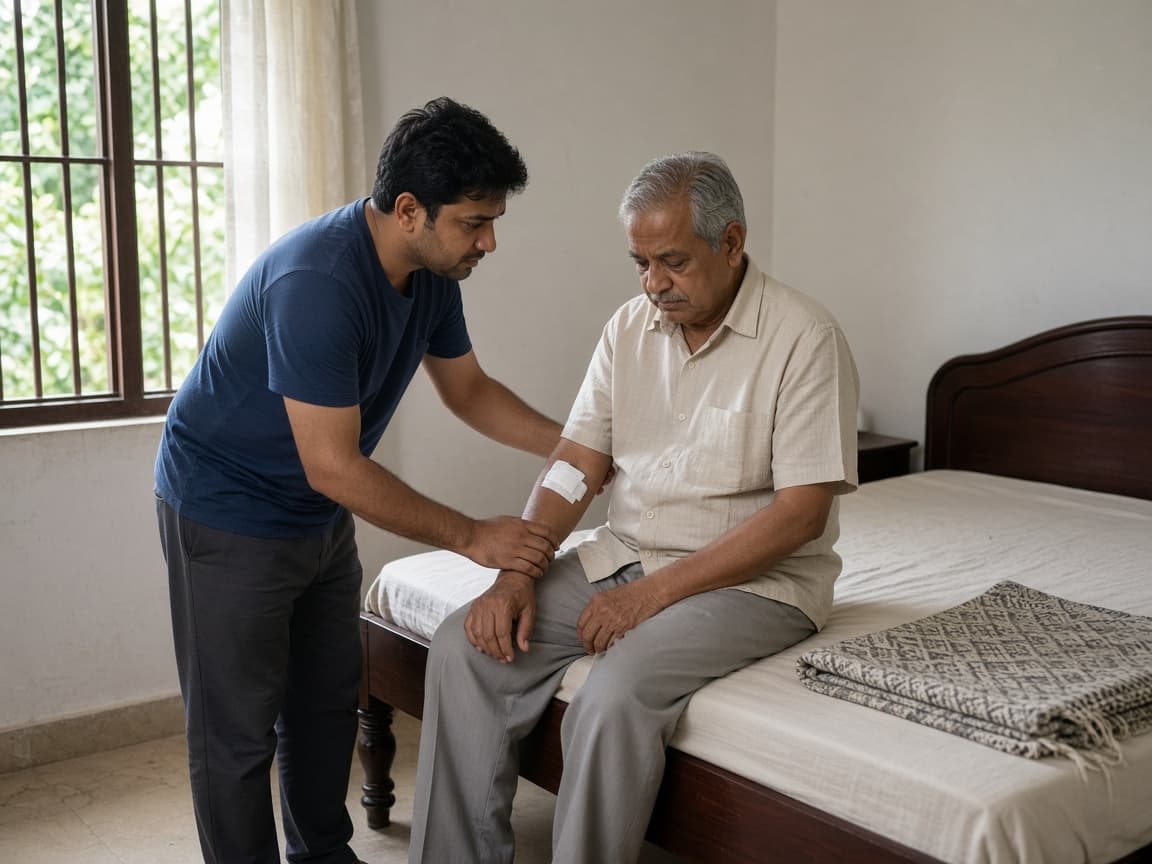
Before touching a wound or a catheter. Wash again afterwards. If the clinic has given you gloves for a dressing, wash first and then put them on. Touch the dressing as little as you can. The steps for the wound itself, including what a worsening wound looks like, are in basic wound care at home. Catheter tubing has its own clean routine, described in urinary catheter care at home.
A cough in the house adds another moment: after covering a cough or wiping a nose. Fast breathing, blue lips, or a baby feeding poorly still need a clinician, however careful the handwashing has been.
Alcohol hand rub, if you have it and the hands are not visibly dirty, is useful when you are away from a tap. It does not replace soap after the toilet when the hands are soiled, and it does not clean a wound.
Towels, cloths, and high-touch spots
Do not share towels used on a wound. Give that person their own cloth, wash it separately if you can, and do not use it later to dry a plate or a child's face. Wrap soaked dressings and put them in the rubbish. Do not leave them open on a bedside table.
Clean the high-touch spots without pretending the house must be sterile. Door handles, tap heads, light switches, the phone, and the arms of the chair where the sick person sits are enough for a daily wipe with ordinary soap and water, or a household cleaner used as the bottle says. You do not need to fumigate a room or wash every wall because someone has a cold. Floors can be cleaned in the usual way. A bedroom stays a place to live, and ordinary cleaning is the aim.
Keep the surface where you set out a dressing clear and dry. Wash it, let it dry, then lay out what you need. Do not open gauze with unwashed hands and then answer the door.
Animals and flies should stay off wounds and off food that is about to be eaten. Cover the plate. That is ordinary kitchen sense.
When the carer is ill
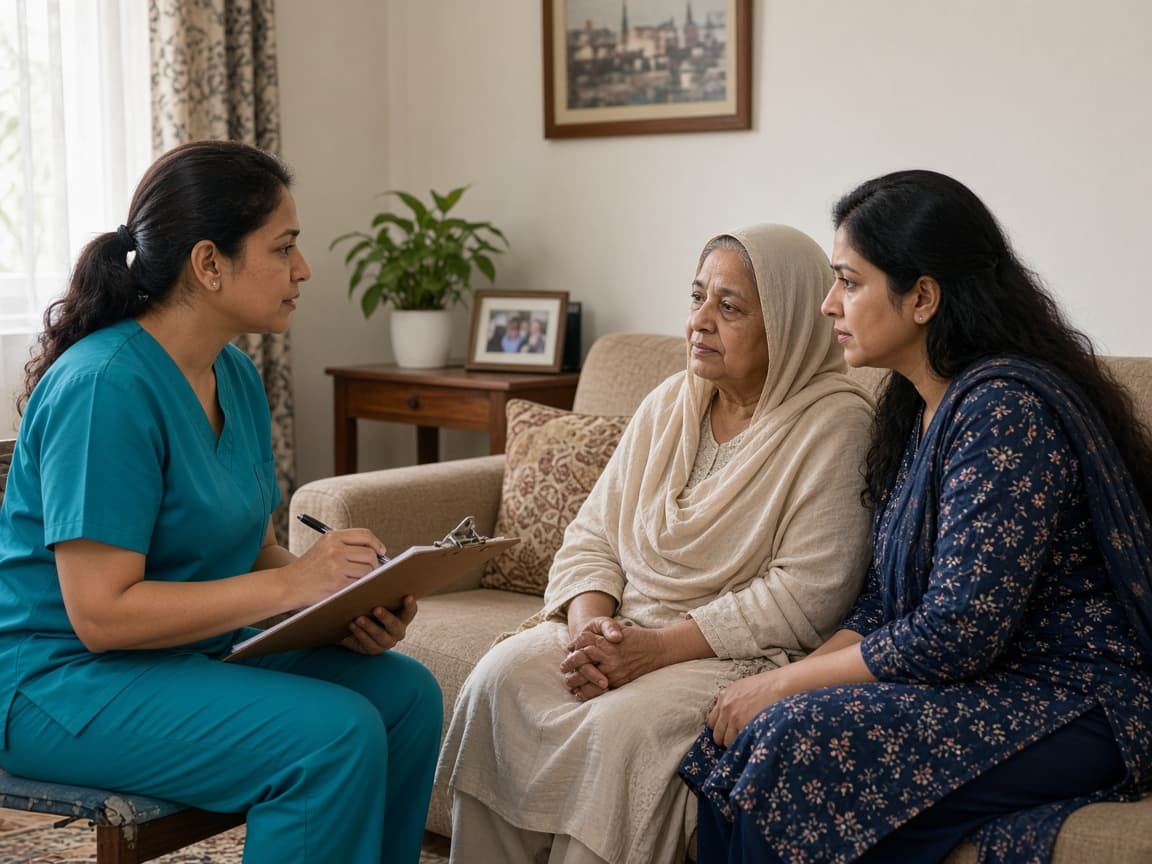
A carer with vomiting or diarrhoea should not prepare food if someone else can do it. Those infections pass easily onto a plate. If nobody else can cook, they should wash carefully, keep the illness away from the food as much as a small kitchen allows, and tell a clinician if the person they care for is frail, very young, or already unwell. They should also not change a dressing or handle a catheter while they have diarrhoea, if another adult can take that task for a day or two.
Cuts on a carer's hands should be covered with a clean plaster before wound care. A carer with a weeping boil or another open skin infection on the hand should not dress someone else's wound until a clinician has advised them.
If a wound, a catheter, or a chest infection is getting worse despite careful hands, seek medical care. A harsher cleaning product will not fix it. Redness that spreads, fever, foul drainage, or a catheter that blocks are clinical problems. Clean hands reduce risk. They do not treat an infection that has already taken hold.