The meter lives in a kitchen drawer, next to a tin of strips and a scrap of paper with last week's numbers. Diabetes care at home is mostly that kind of ordinary day: meals at the time the clinic advised, movement they have already said is safe, and the tablets or insulin already prescribed.
The World Health Organization describes diabetes as a condition in which blood glucose stays higher than it should, and which can harm the heart, kidneys, eyes, and feet over time. The home job is to follow the plan and notice when the day stops being ordinary. This article does not set a glucose target and does not give doses.
Meals and movement
Eat in the pattern the clinic or dietitian described for this person. For many households that means rice, dal, vegetables, and curd or milk, with less sugary tea and fewer large gaps between meals. A plate that suits a neighbour may be wrong for someone whose kidneys are also being treated.
If appetite is poor after illness, small amounts more often are easier than one large plate. Food ideas that stay with ordinary meals are in nutrition during recovery. Do not add a powder or a bitter herb as a treatment, and do not stop a prescribed medicine because a home remedy seemed to help for a week.
Activity is the walking, housework, or exercise the clinician has already allowed. A new intense routine, started because a reading was high, can drop glucose unexpectedly, especially if medicine is due. Chest pain, severe breathlessness, or dizziness during movement is a reason to stop and get advice.
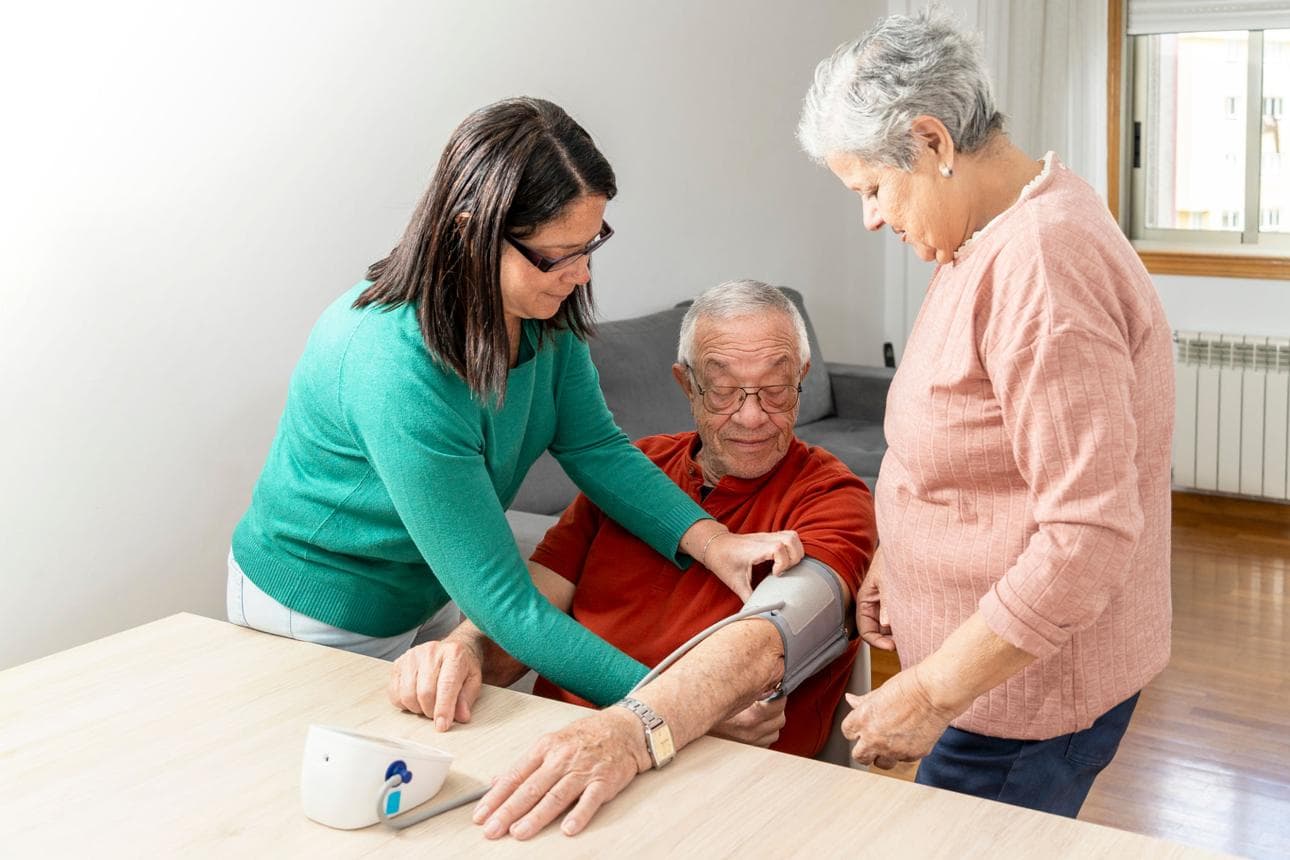
If blood pressure is being checked in the same house, keep the two records separate and bring both notebooks.
When glucose falls
Low blood sugar can show itself as sweating, shaking, hunger, or confusion. Some people become irritable or unusually quiet. The feeling can come on quickly, including at night.
If the person is awake and can swallow safely, give the fast sugar the clinic has already recommended for them. That instruction belongs to their plan. This article will not name a dose or a household substitute.
If they are drowsy, fitting, or cannot swallow, treat it as an emergency. Do not force food, tea, or a sweet drink into the mouth. Do not put honey or glucose powder on the lips of someone who cannot swallow. Stay with them until help arrives, and tell the responders what diabetes medicine they take.
After any low reading, write down the time, what they had eaten, and whether a dose had just been given. Tell the clinic. Repeated lows are a reason to be seen, even if each one seemed to pass.
Illness and high readings
A fever, vomiting, or a day of not eating can push glucose up or down. People sometimes invent a rule on the spot: skip insulin because they are not hungry, or take extra because the meter looks high. Do not invent a sick-day insulin rule. Call the clinic and follow the written plan if they have already given one for days of illness.
Keep checking only as often as that plan says. Wash and dry the hands before a finger-stick so food on the skin does not confuse the result. Store strips away from heat and damp, and check the date on the tin. Share lancets with no one.
Drink if they can keep fluids down, unless the clinic has set a fluid limit. If they cannot keep fluids down, or glucose stays far from their usual readings and they look unwell, use the route in when to visit a doctor. Bring the meter, the notebook, and the medicine strips.
Feet, every day
Look at both feet in good light. Check the soles, the heels, and between the toes. A mirror helps if bending is difficult. You are looking for a blister, a crack, a red patch, a nail that has cut the next toe, or swelling.
Wash with lukewarm water and dry carefully, including between the toes. Do not cut corns or calluses. Do not use a blade, a corn plaster, or a chemical corn remover. Trim nails straight across only if the person can see and feel well; otherwise ask a clinician or a trained foot-care service.
Tell the clinic the same day about a new wound, a black patch, spreading redness, or a foot that is hot. Loss of feeling matters even when the skin looks calm. Shoes should fit without a rubbing spot. Walk around the room in new shoes before a long outing, and tip them out before they go on, in case a small stone has sat there overnight.