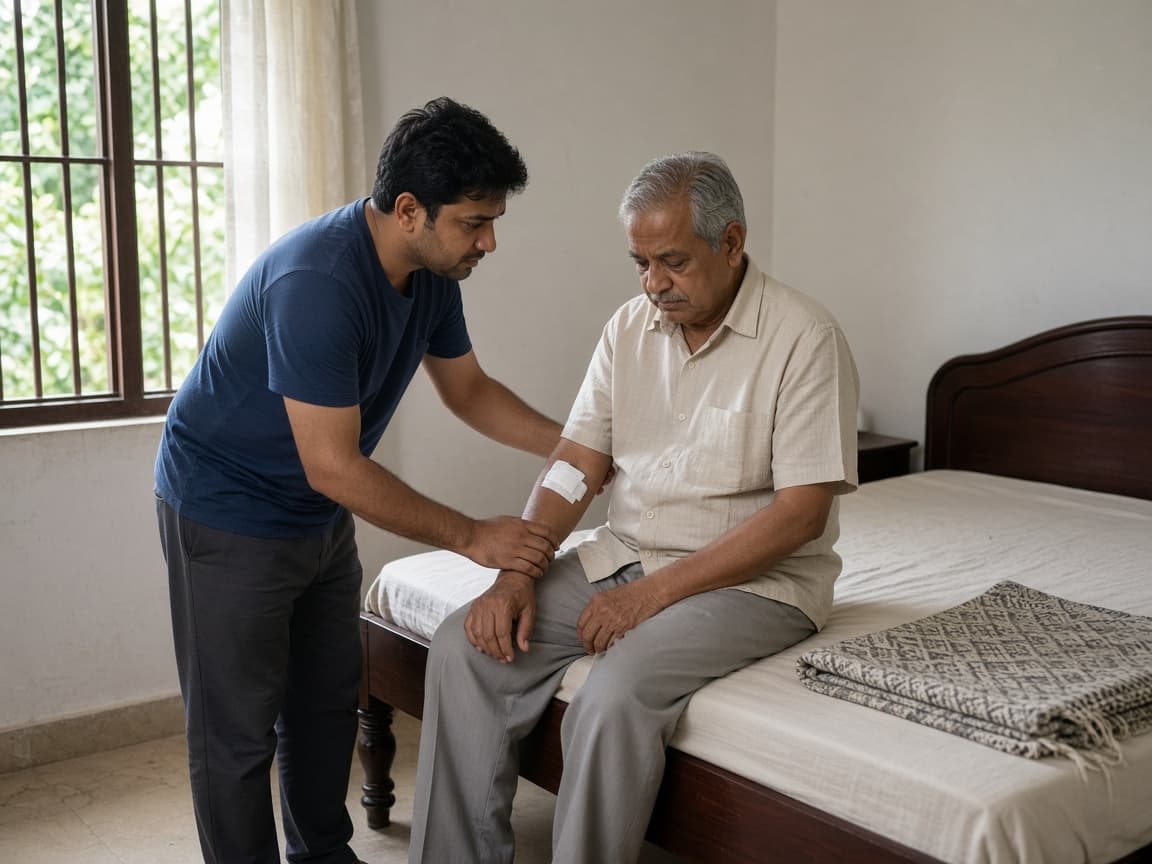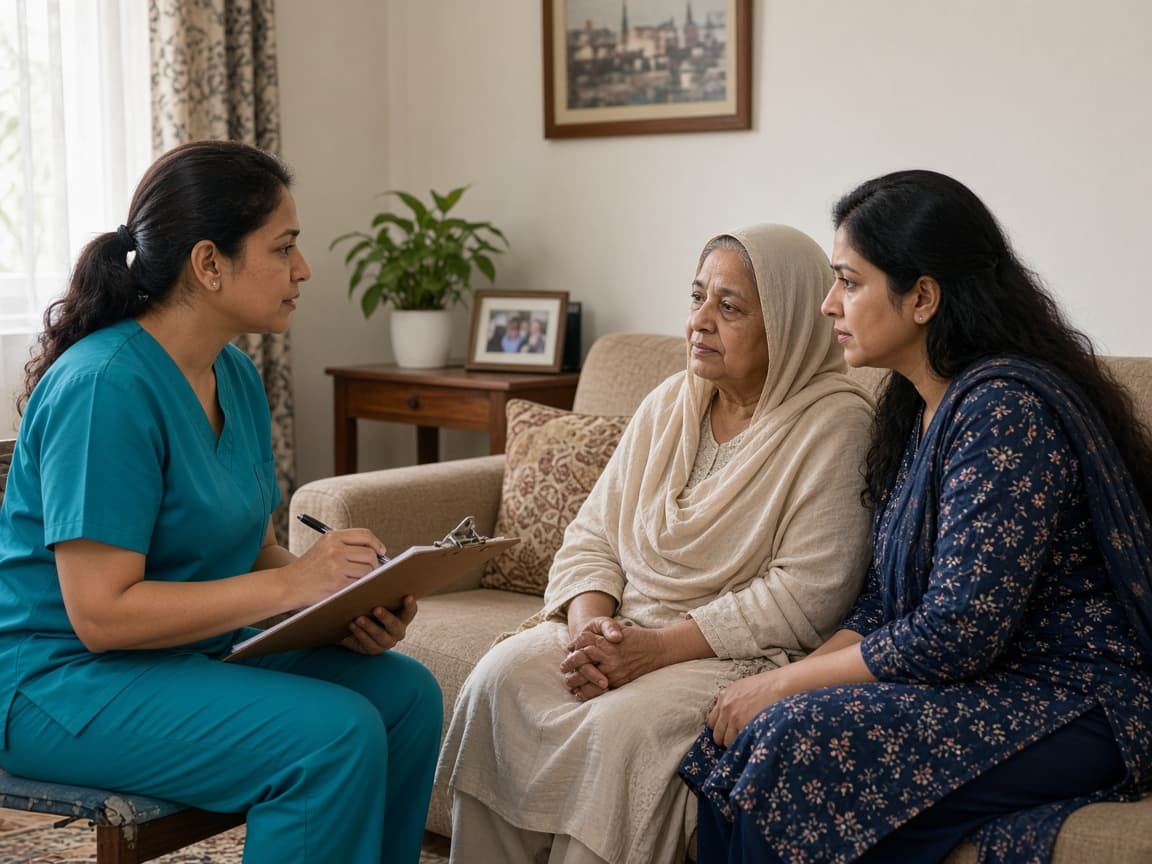
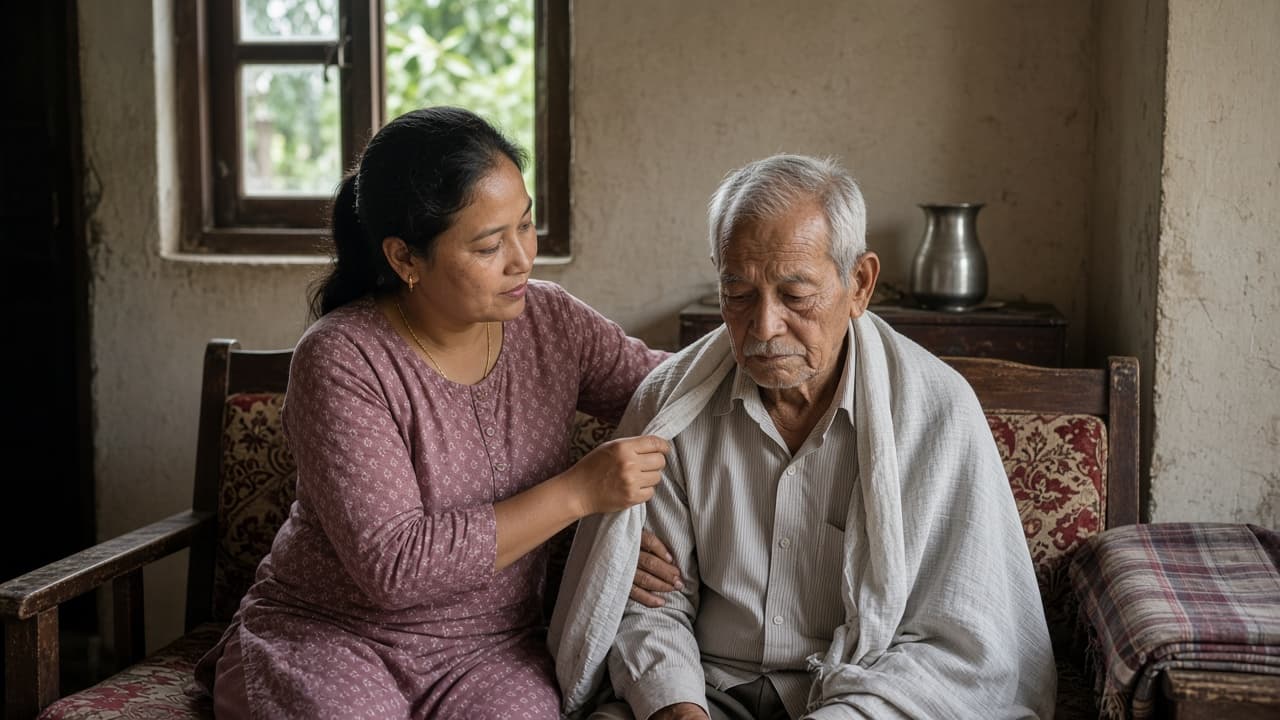
After illness, the dal goes unfinished. Someone suggests a tin of powder, someone else suggests liver every day, and the person who is recovering wants only tea. Recovery meals do not need a new cuisine. They need ordinary food the person can finish, with enough protein, offered again if the first plate was too large.
The World Health Organization describes a healthy diet as one that includes fruit, vegetables, pulses, and other everyday foods, and describes malnutrition as a lack of the right nutrients, which illness can bring on even in a house where food is cooked daily. This article does not sell a supplement.
What to put on the plate
Build from foods the household already cooks. Dal, beans, egg, milk, curd, meat, fish, tofu, or soya can provide protein, depending on what the person eats and what they can afford this week. Rice or roti still has a place for most people. Vegetables and fruit add variety. A little oil or ghee, if that is how the family cooks, makes the meal easier to finish than a dry plate "because sick people should eat light."
If the clinic has limited salt, protein, sugar, or fluid, that instruction wins. A kidney diet, a diabetes plan, or a heart-failure fluid limit is more specific than general recovery advice. Ask before you add banana, coconut water, or extra meat for "strength" when those foods have been restricted.
Small frequent meals help when appetite is poor. Half a bowl now, and half again later, beats a full plate that comes back untouched and discourages everyone. Sit with them if company helps. A walk to the table, if they can manage it, often works better than a tray in a dark room.
Drinks count. Water, milk, or lassi between meals, unless fluid is limited. Do not fill them with sugary drinks in place of food unless that is the only thing they will take for a short spell, and tell the clinic if eating has nearly stopped.
Older adults have extra reasons to miss meals: dentures, low mood, constipation, or a long time alone. Practical drink and meal habits for that age are in nutrition and hydration for older adults.
What not to buy in a panic
Skip supplement powders, high-dose vitamin bottles, and tonic syrups unless a clinician has prescribed a named product. They cost money the household may need for eggs and milk. Some interact with medicines. Iron, in particular, should not be started from a shop because the person looks pale.
A prescribed nutrition drink is different. If the hospital sent one, use it in the amount they wrote, and ask what to do when the tins run out. Do not replace prescribed medicines with food. Food supports recovery. It does not stand in for antibiotics, insulin, or blood pressure tablets.
After an operation, the discharge paper may say when eating can restart, whether the wound limits sitting up, and which foods to avoid for a short time. Follow that paper. Wound care and the early days at home are in post-surgery care at home.
Swallowing and weight
A person who coughs when eating or drinking, whose voice sounds wet after a sip, or who keeps getting chest infections after meals needs a swallow assessment. Do not thicken drinks with starch on your own, and do not keep feeding through coughing because they "must eat to heal." Stop, sit them upright, and ask the clinic for an assessment. Choking, a blue tinge, or an inability to clear the throat is an emergency.
Weight loss that continues should be told to the clinic. Weigh on the same scale, in similar clothing, if you have one. If you do not, notice belts, rings, and whether the face and clothes have loosened over a few weeks. One light day after a fever is common. A steady fall over the following weeks is a clinical question, including for people who still look "not that thin" to relatives.
Mouth pain, nausea, constipation, and low mood are fixable reasons for a poor plate. Mention them. A dentist, a change in the timing of a medicine, or treatment for constipation may do more than another lecture about finishing the rice.
Offer food they like, in the form they can chew. Soft dal and mashed vegetable are reasonable if teeth hurt. Finger foods help if cutlery is tiring. Leave a covered portion for later rather than throwing it away at the first refusal, as long as it has not sat in the heat for hours.