
After an operation, a chest infection, or several days propped up in bed, a physiotherapist sometimes teaches slower breathing aimed at the bases of the lungs. Those are the lower parts of the lungs, toward the back and the bottom ribs, which are easy to underventilate when pain or weakness keeps every breath small and high in the chest. The World Health Organization includes this kind of support inside rehabilitation: help to function again after a health condition, taught to the person in front of the clinician.
The drill is chosen for that person. A page cannot see the scar, the oxygen prescription, or how breathless they are on the way to the toilet. Families who copy a video of someone breathing in a strict rhythm may push a dizzy, pained, or frightened relative into a technique that was never meant for them.
What the teaching usually involves
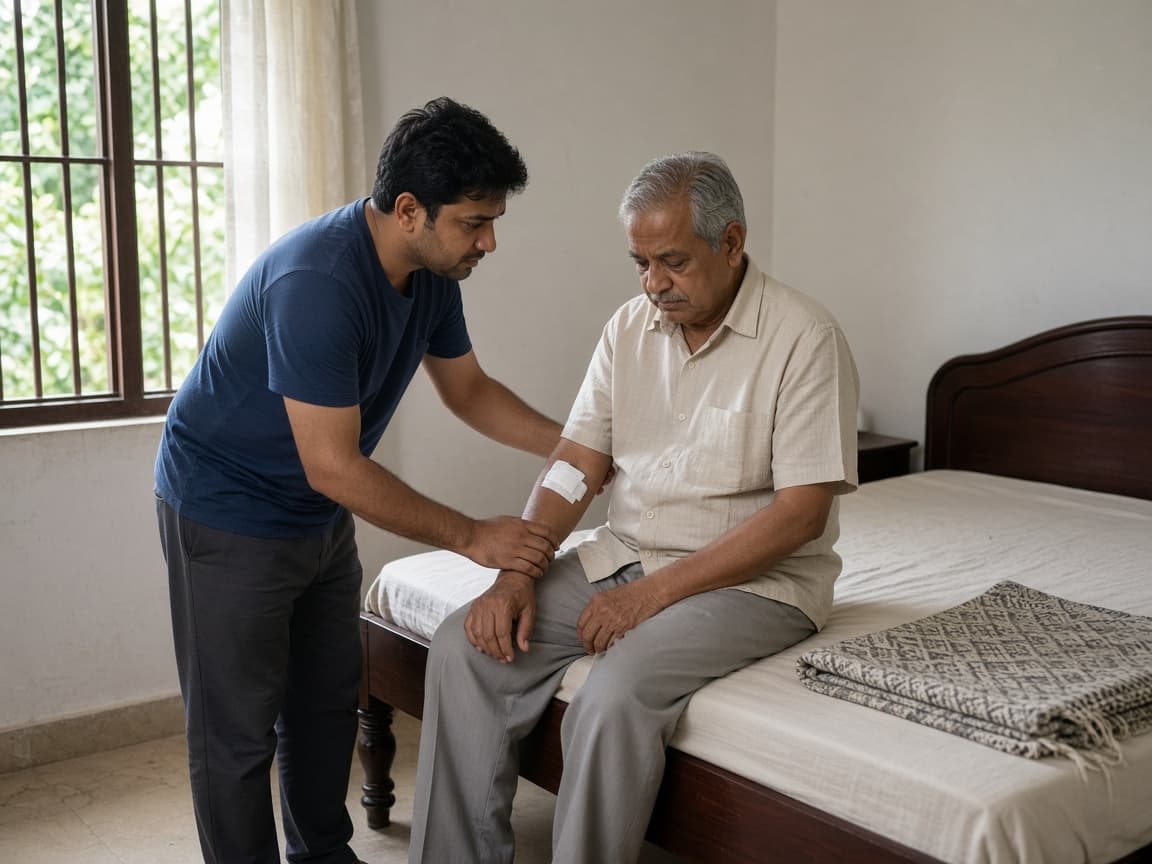
The person is comfortable, often sitting with the shoulders relaxed, or lying on their side if the therapist has chosen that position. They breathe at a calm pace. The therapist may rest a hand on the side of the lower ribs and ask the person to send the breath there, so the hand rises a little, then settles as they breathe out. The out-breath is quiet. The shoulders stay down.
Some people are asked to do this a few times, then rest, then cough or huff in a way that was shown in hospital, so secretions can move. Others are only asked to sigh a little deeper than their shallow pain-limited breath. The difference matters. A cough that the surgical team has restricted, for example early after some operations, should not be added because a relative thinks coughing always clears the chest.
This article does not give a count, a hold time, or an instruction to breathe very fast. Fast breathing can make the person dizzy, tingly around the mouth, and more frightened. If a paper from the therapist names a count, use that paper. If it does not, wait for the next visit rather than filling the gap with a video.
Stop if the person becomes dizzy, develops chest pain, or becomes much more breathless than when they started. Sit them upright, loosen anything tight around the waist, and stay with them. If the breathlessness is severe, or if it does not ease, they need medical assessment. NHS guidance on shortness of breath treats sudden or severe difficulty breathing as a reason for urgent care.
Oxygen that a doctor has prescribed
Medical oxygen is a treatment. The World Health Organization discusses oxygen as a medicine used under clinical direction, with attention to how it is given and how the person is monitored. A breathing exercise does not stand in for oxygen a doctor has prescribed. It also does not mean the family should turn the flow up, take the prongs off for a long practice, or "wean" the flow because the person managed one deeper breath.
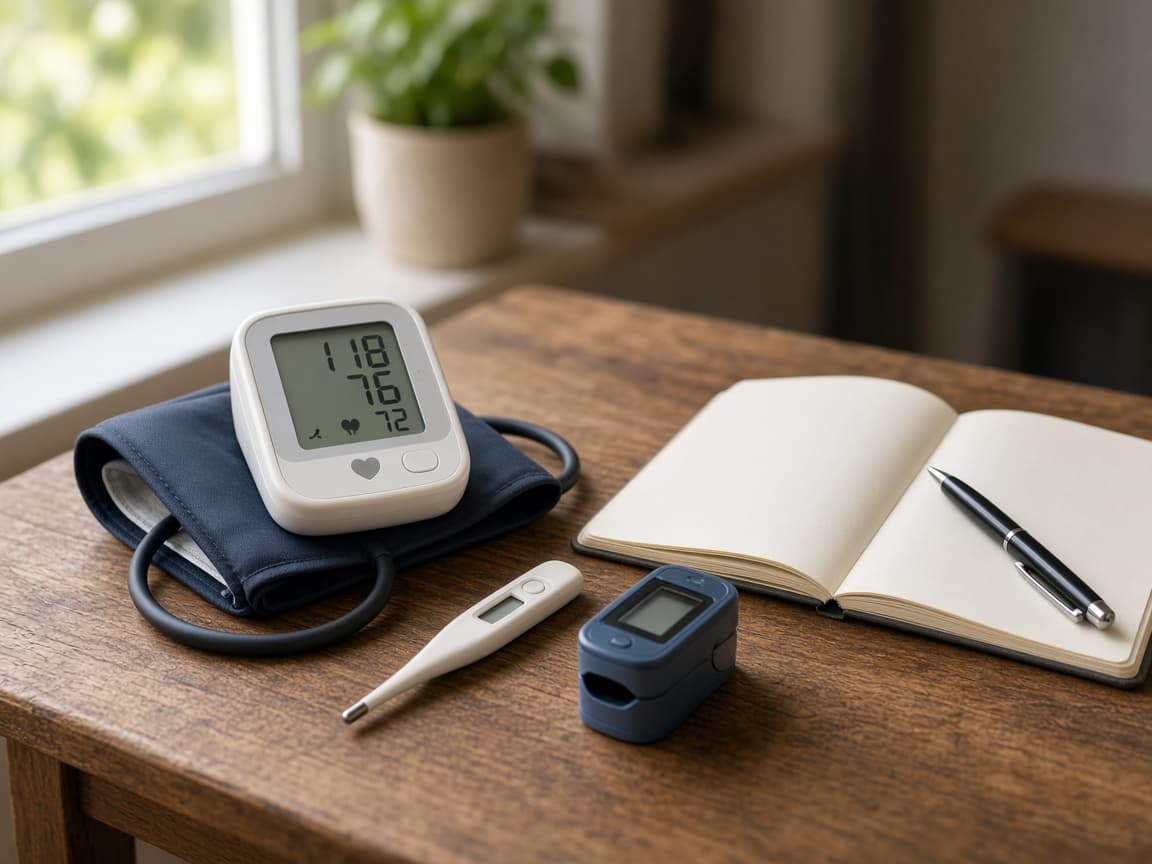
If a monitor is in the house, read it the way the clinic taught, and use the thresholds they wrote down. Understanding oxygen saturation explains what families are looking at on a device. A number on a screen still needs the plan that came with the device. Do not delay a call because a drill "might bring the number up."
People who use oxygen and feel more short of breath than usual, or whose lips look duskier, need the clinical contact the discharge paper names. Practice can resume when someone who knows the case says the person is stable enough.
After surgery and after time in bed
Pain, a tight dressing, and fear of pulling a stitch all make breathing shallow. The physiotherapist's job is to find a depth of breath the wound can tolerate. Supporting the wound with a pillow or the hands, if the ward showed that, can make a gentle breath possible. Forcing a maximal breath that makes the person cry out is not the drill.
Recovery after bed rest describes the weakness and the drop in blood pressure that can follow days of lying down. A breathing session done while the person is faint on sitting should wait. Lie them back, tell the clinic about the dizziness, and treat the breathing practice as something for a more stable hour.
A chest infection changes the picture again. Fever, a new cough with coloured sputum, one-sided chest pain on breathing, or confusion in an older person need assessment. Respiratory infections at home covers what families watch for. Breathing practice that was taught last month may be paused during an acute infection until a clinician restarts it.
How to practise without turning it into a test
Choose a time when the person has had pain relief if it was prescribed, and when someone else is in the shared room to notice a change. One calm bout, as the therapist described, is enough to learn the feeling of a breath that reaches the lower ribs. Several extra bouts "to be safe" can exhaust someone who is already working hard to breathe.
Write down dizziness, chest pain, a cough that brought up blood, or breathlessness that took longer to settle than the therapist said it would. Take that note to the next visit. The drill can be made smaller. It should not be made faster or deeper by the family on the same day something felt wrong.
Rehabilitation breathing is quiet teaching for a person who is well enough to take part. Acute breathlessness is a medical problem first. Sorting those two situations apart is the safety skill this page is for.