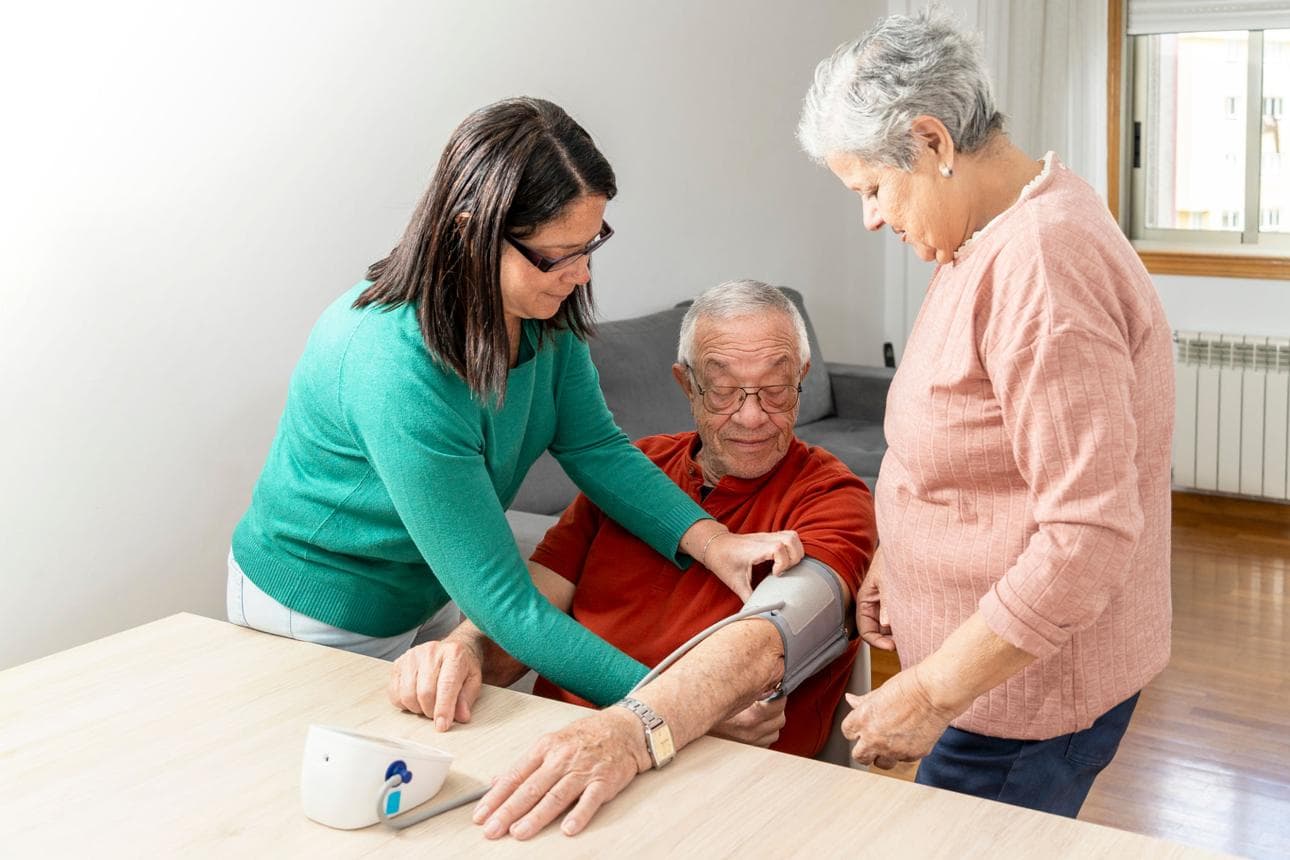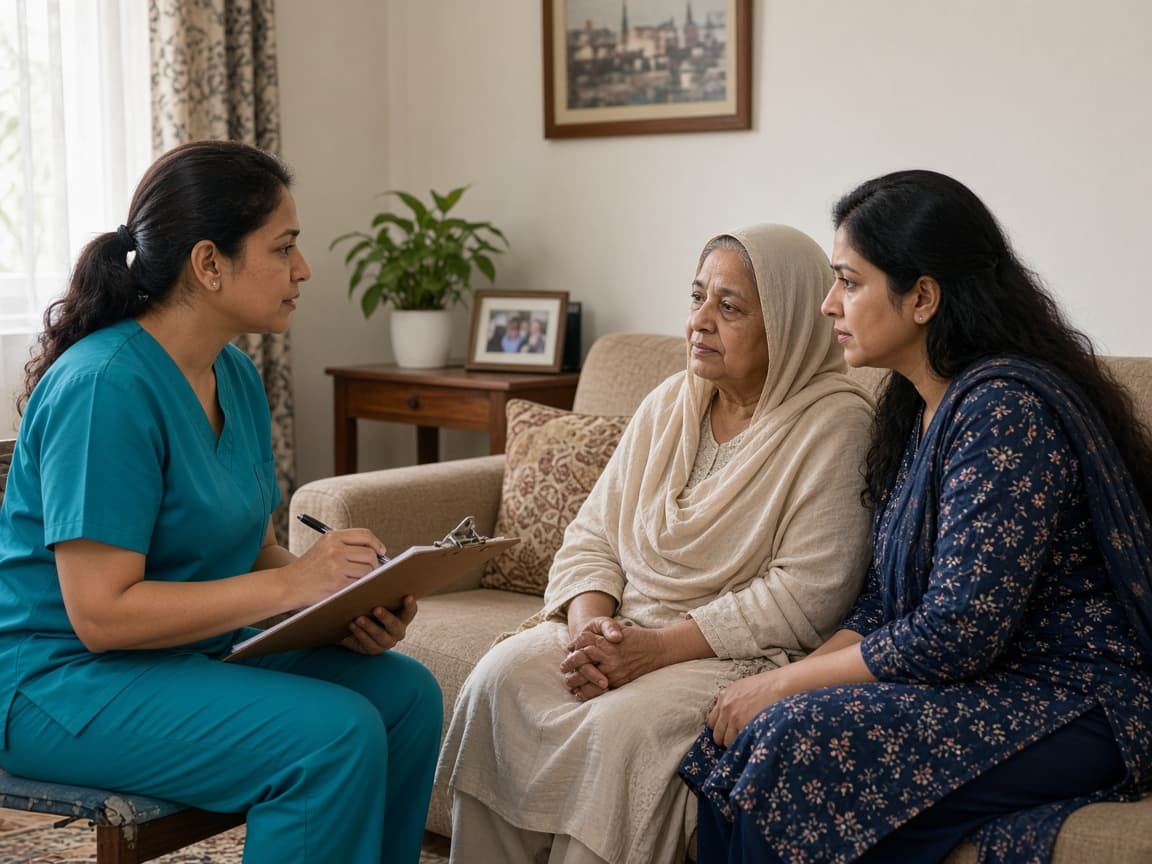
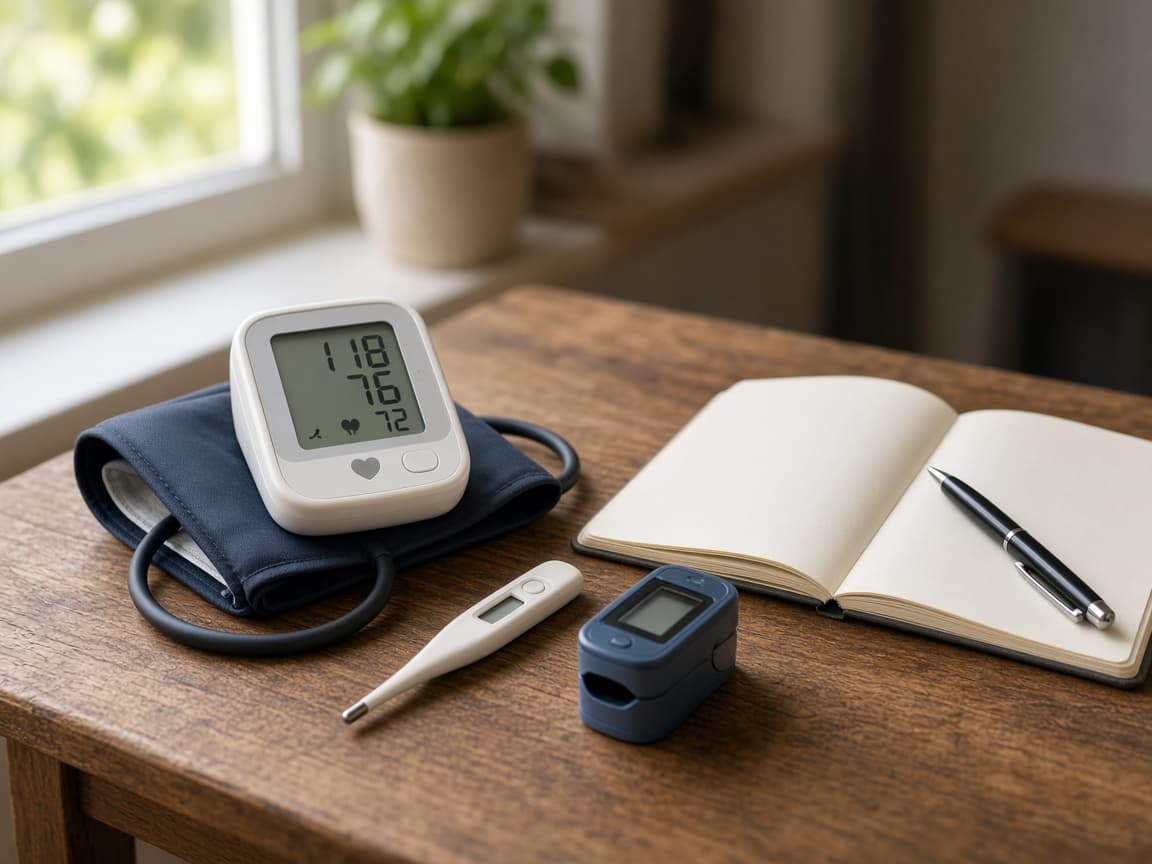
Understanding common blood tests starts with the paper from the lab, folded in a plastic sleeve. Names sit in one column, numbers in the next, and a reference range printed in small type that looks like a verdict. Families search each line and try to decide if the person is fine. The useful question is narrower: what does this number mean for me, and when is the next test?
These names are labels. An article cannot tell you what your own number means. A reference range on a form is the lab's general comparison. Your clinician decides what matters for you. Age, pregnancy, kidney disease, medicines, and the reason the test was ordered all change that reading. This piece names six common tests so you can ask about them. It does not list healthy numbers.
Haemoglobin and white cells
Haemoglobin is the part of red blood cells that carries oxygen. Clinics look at it when they are thinking about anaemia, bleeding, long illness, or kidney disease, among other reasons. A low result is a finding for the clinic to explain. Do not start iron tablets because a neighbour did. Iron is the wrong treatment for some causes of a low haemoglobin, and extra iron can harm.
White cells are part of how the body responds to infection and to some other illnesses, including problems in the blood itself. A high or low count can have several explanations, from a passing virus to a medicine effect. The rest of the report, and the person in front of the clinician, decide which explanation is likely. A fever with a worrying white cell result should be discussed promptly. The number on its own does not tell you to start an antibiotic from the cupboard.
If the person looks unwell while you are holding the report, breathlessness, chest pain, confusion, or bleeding are reasons to seek care now. Do not wait for a routine appointment to explain the paper.
Glucose and HbA1c
Glucose on a blood test is the sugar in the blood at the time of the sample. It moves with meals, illness, and medicines. A single glucose, taken without knowing whether the person had just eaten, is easy to misread. Write down, or ask the lab slip, whether it was a fasting sample if that is what the clinic requested.
HbA1c reflects glucose over a longer stretch, often used when diabetes is being diagnosed or followed. The World Health Organization and diabetes services use it as one part of that picture. It does not swing with this morning's tea the way a finger-stick can. It also does not replace day-to-day care when someone is on insulin or has lows. Home routines for meals, sick days, and feet are in diabetes care at home.
Ask the clinic what glucose and HbA1c they want for this person, and what to do on a day of fever or vomiting. This page does not set those targets. Do not change a tablet or an insulin dose from a lab slip you have only just opened.
Creatinine and lipids
Creatinine is a waste chemical that the kidneys clear. Clinics follow it, often with other kidney figures, to see how the kidneys are working. A change matters more when it is compared with this person's earlier results. Drinking a large amount of water the night before, because you hope to "improve" the number, is a bad idea if a fluid limit is in place. Kidney care at home, including why more water is not a general rule, is in chronic kidney disease at home.
Lipids are fats in the blood, including cholesterol. A clinic uses them when thinking about heart and blood vessel risk, together with blood pressure, age, smoking, and diabetes. A lipid result does not grade last week's meals. Do not start a cholesterol tablet belonging to someone else because the number looks similar to theirs. Do not stop a prescribed one because a home diet week felt disciplined.
What to ask, and what to bring
Take the full report. A photo that cuts off the name and date is easy to misread. Take the medicine list, including anything bought at the pharmacy. Ask:
- What does this number mean for me?
- Is it different from my last test, and does that difference change anything?
- When is the next test, and do I need to fast or change a medicine before it?
- Which symptoms, before that date, should make me call?
Different labs print different units and different reference columns. Comparing a Nepali report with a number seen online, from another country or another lab, leads to false alarms and false reassurance. The clinician who ordered the test, or the one who knows the history, is the person who can read it against the person.